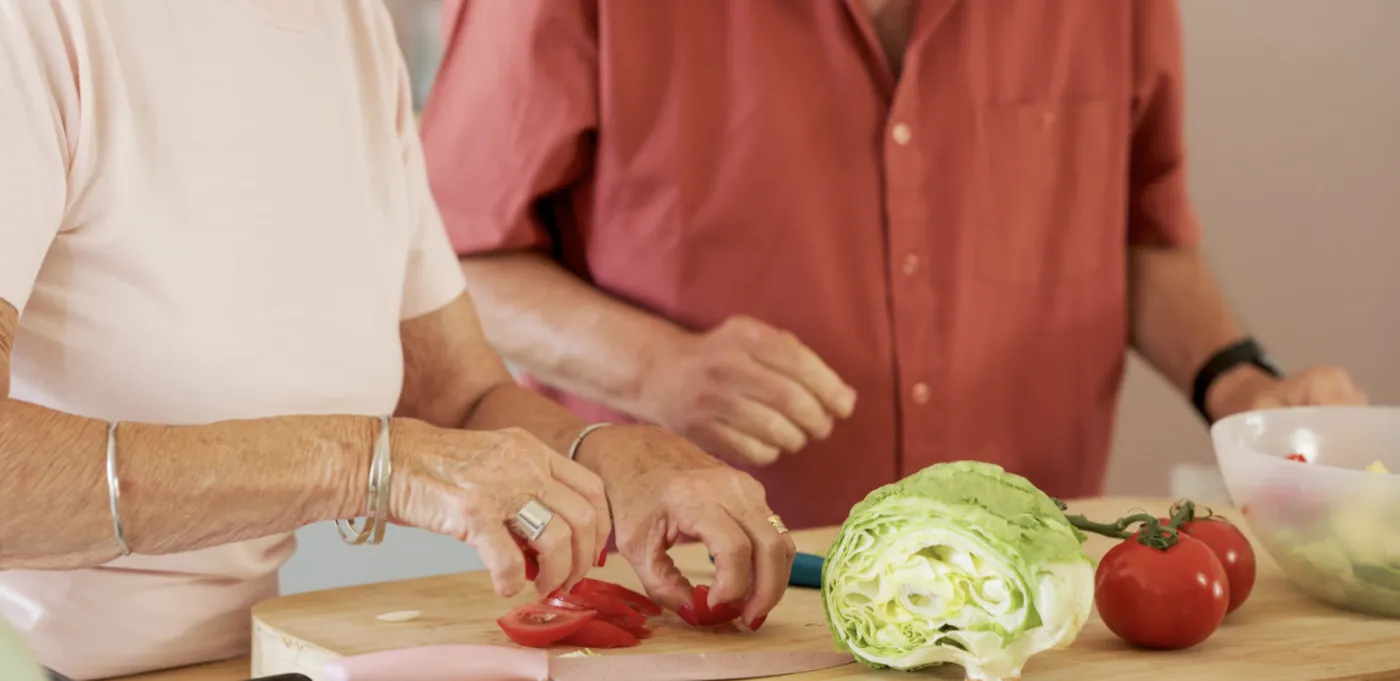
Food is about so much more than nutrition. It's pleasure, ritual, and one of the great everyday joys of life. But for many older adults, appetite quietly fades — and a poor diet can affect energy, mood and health far more than people realise. The good news is that small, gentle changes can bring the enjoyment back.
Why eating well gets harder with age
There's rarely a single reason. Taste and smell can dull, making food seem bland. Medications may take the edge off appetite. Sore teeth or ill-fitting dentures make chewing uncomfortable. And for someone living alone, cooking for one — and eating alone — can simply feel like too much bother, day after day. Often it's a quiet combination of all of these.
"Eating alone, every day, drains the joy out of food. Half the secret to a good appetite is good company at the table."
Warning signs worth noticing
Poor nutrition can creep up gradually. It's worth gently keeping an eye out for:
- Clothes or rings becoming noticeably looser
- Very little fresh food in the house, or food going to waste
- Skipping meals, or living mainly on tea, toast and biscuits
- Tiredness, low mood, or seeming more frail than before
- Reluctance to cook, or saying they "can't be bothered" to eat
Free family checklist
Appetite is just one of the quiet signals. Our free printable checklist gathers the 12 gentle, early signs an older parent may need a little more support — and what to do next. Download the free checklist →
Gentle ways to help
- Make it social — most of us eat better in company. Sharing a meal, even now and then, makes a real difference.
- Little and often — small, regular snacks can be easier than three big plates. Cheese, yoghurt, fruit, nuts and a few biscuits all add up.
- Add richness — a splash of full-fat milk, a knob of butter or grated cheese boosts goodness without bulk for smaller appetites.
- Keep it easy — a stocked fridge of simple favourites, or a few healthy ready meals, removes the hurdle of cooking from scratch.
- Don't forget fluids — older adults often drink too little. Squash, milky drinks and soups all help keep them hydrated.
- Lean into favourites — familiar, well-loved dishes tempt the appetite far better than something new.
If weight loss is rapid, or you're worried, it's always worth a chat with the GP — there can be underlying causes worth ruling out.
How a companion helps at mealtimes
So much of eating well comes down to not doing it alone. A companion can help with the weekly shop, prepare a simple, tempting meal, and — best of all — sit and share it. A friendly face across the table turns a chore back into one of the nicest parts of the day.
Worried a loved one isn't eating well?
Let's have a free, no-pressure chat about how a regular friendly visit could help them shop, cook and enjoy mealtimes again.
Sign up for a no obligation conversationNot ready for a chat just yet? Start with our free family checklist →